Cevurı: Complete Meaning, Cultural Origins, Traditional Dish, and Modern Significance
The term cevurı has gained attention in recent years as people explore traditional food heritage and cultural identity. However, confusion exists because some sources describe it as a traditional dish, while others explain it as a symbolic concept representing transformation, community, and continuity.
This guide combines the strongest insights from existing information and expands further with deeper explanations, historical clarity, and modern relevance. You’ll learn not only what cevurı is, but also why it still matters today, how it evolved, and how its meaning extends beyond food.
Understanding cevurı helps preserve cultural knowledge and reveals how traditional practices influence modern lifestyles.
Table of Contents
- Introduction
- Definition and Core Meaning
- Historical and Cultural Background
- Cevurı as a Traditional Dish
- Cultural and Symbolic Importance
- Benefits and Practical Relevance
- Common Misconceptions
- Comparison With Similar Traditions
- Unique Insights and Modern Evolution
- FAQs
- Conclusion
Definition and Core Meaning
At its simplest level, cevurı refers to a traditional preparation rooted in cultural heritage. Depending on context, it can represent both a physical dish and a broader idea connected to transformation and shared experience.
In culinary interpretation, it involves preparing food using traditional techniques that emphasize natural flavors, careful cooking, and communal sharing. In cultural interpretation, cevurı reflects the process of turning simple elements into something meaningful, whether that is food, tradition, or identity.
This dual meaning explains why the term appears in both food discussions and cultural studies.
Historical and Cultural Background
The origins of cevurı trace back to rural communities where cooking was not only a daily necessity but also a cultural ritual. Families relied on locally available ingredients, and preparation methods were passed down through generations without written recipes.
Unlike modern cooking, which often focuses on speed and convenience, traditional preparation emphasized patience, technique, and respect for ingredients. This approach ensured consistency, quality, and cultural continuity.
Historical evidence suggests that cevurı played a role in social gatherings, seasonal celebrations, and communal meals. It was not prepared only for nourishment but also for strengthening relationships and maintaining shared identity.
Over time, its meaning expanded beyond food preparation and became associated with preservation of tradition itself. Understanding cevurı helps preserve cultural knowledge and reveals how traditional practices influence modern lifestyles, much like traditional ways of enjoying Finnish lakes, which connect people to nature and heritage.
Cevurı as a Traditional Dish
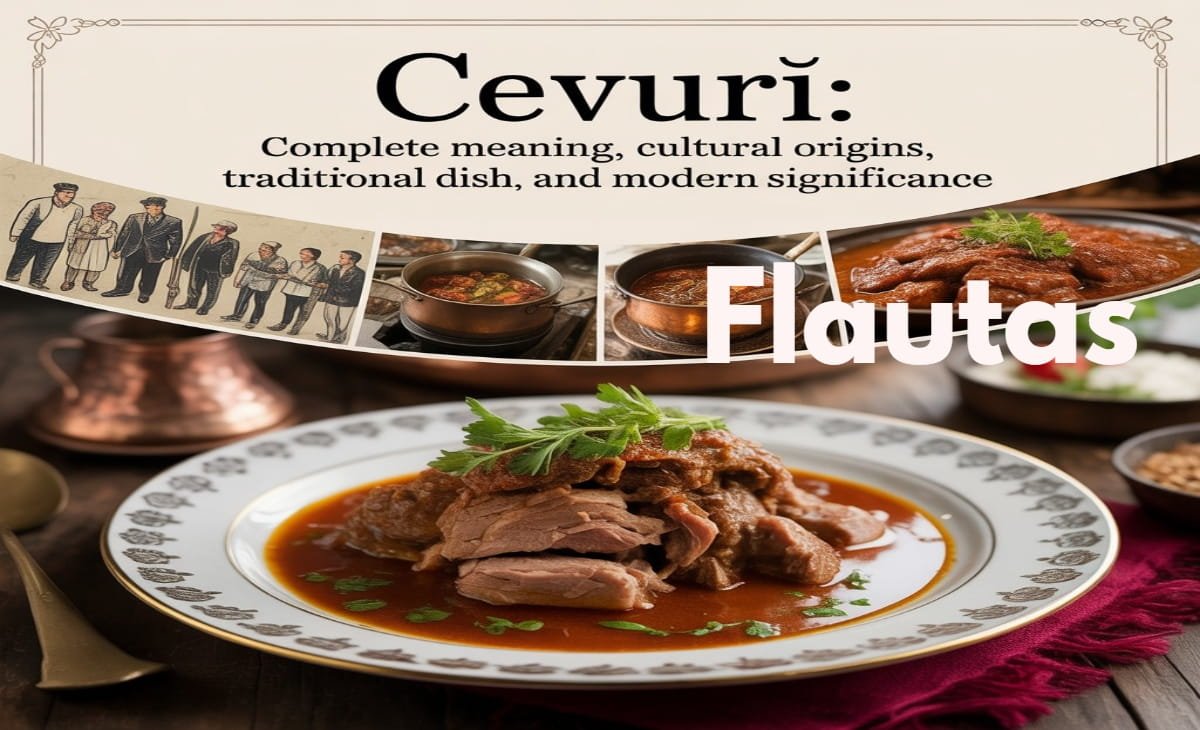
As a dish, cevurı represents simplicity combined with depth of flavor. It typically involves carefully prepared ingredients cooked using methods that enhance texture and taste without excessive processing.
The preparation often includes selecting fresh ingredients, applying balanced seasoning, and using techniques such as slow cooking or controlled heat. These methods allow flavors to develop naturally rather than relying on artificial enhancement.
Regional variations exist depending on geography, climate, and available ingredients. Some versions emphasize meat preparation, while others focus more on vegetables or grain-based combinations.
Serving style also reflects tradition. Instead of individual portions, it is commonly shared, reinforcing its role in bringing people together.
Cultural and Symbolic Importance
Beyond its culinary identity, cevurı carries symbolic value. It reflects transformation, where basic ingredients become something meaningful through effort and care.
This symbolism connects to broader cultural themes such as growth, continuity, and adaptation. Preparing traditional food represents preserving knowledge and honoring previous generations.
It also represents balance. Traditional preparation methods emphasize harmony between nature, community, and individual responsibility.
This deeper meaning explains why cevurı is often discussed in cultural contexts beyond cooking. Its adaptation across generations mirrors principles seen in diverse storytelling practices, where traditions are reshaped without losing their essence.
Benefits and Practical Relevance
The importance of cevurı continues in modern society because it supports cultural preservation, mindful living, and sustainable practices. Traditional preparation methods encourage awareness of ingredients and reduce dependence on industrial food systems.
It also strengthens social bonds. Preparing and sharing traditional meals promotes interaction, cooperation, and emotional connection.
From a health perspective, traditional preparation often avoids excessive processing, artificial additives, and unnecessary complexity. This aligns with modern interest in natural and minimally processed foods.
Additionally, it helps maintain cultural identity in an increasingly globalized world where many traditions risk disappearing.
Common Misconceptions
Many misunderstandings exist due to incomplete explanations and simplified interpretations.
The most common misconceptions include:
- Believing cevurı refers only to a single fixed recipe
- Assuming it is purely symbolic without culinary roots
- Treating it as a modern trend rather than an established tradition
- Ignoring its role in community and cultural continuity
In reality, its strength lies in its flexibility and cultural significance rather than strict definition.
Comparison With Similar Traditions
While cevurı shares characteristics with other traditional practices, it remains distinct due to its combined culinary and symbolic roles.
Modern fast food focuses on speed and efficiency, often sacrificing cultural depth and preparation quality. Fusion cuisine blends multiple influences but may not preserve original traditions fully.
Cevurı differs because its purpose extends beyond taste. It preserves heritage, emphasizes preparation techniques, and reinforces community values.
This combination of cultural meaning and practical application makes it unique among traditional practices.
Unique Insights and Modern Evolution
One important aspect often overlooked is how cevurı adapts without losing authenticity. Rather than remaining frozen in the past, it evolves while preserving core principles.
Modern adaptations may use updated equipment or alternative ingredients, but the underlying philosophy remains consistent. This flexibility allows it to survive across generations.
It also reflects a broader human pattern: transforming available resources into meaningful outcomes. This applies not only to food but also to culture, creativity, and identity.
Another key insight is its role in resisting cultural homogenization. As global food systems become standardized, traditional practices like cevurı help maintain diversity and uniqueness.
This makes it not only historically important but also relevant for the future.
Frequently Asked Questions
What does cevurı mean exactly?
It refers to a traditional preparation practice that can represent both a cultural dish and a symbolic process of transformation and heritage preservation.
Is cevurı still practiced today?
Yes. Many communities continue traditional preparation, and interest has increased due to cultural preservation efforts.
Does cevurı have a single origin location?
It developed in traditional rural communities where cooking methods were preserved through generations.
Why is cevurı culturally important?
It preserves heritage, strengthens community relationships, and represents continuity between generations.
Is it adaptable to modern cooking?
Yes. Modern kitchens can prepare it while maintaining traditional preparation principles.
Why do people still value cevurı today?
Because it connects people to heritage, promotes mindful preparation, and preserves cultural identity.
Conclusion
Cevurı represents more than a traditional dish or abstract concept. It reflects transformation, cultural preservation, and shared human experience.
Its importance lies in its ability to connect generations, preserve identity, and maintain meaningful traditions. While modern lifestyles emphasize speed and convenience, practices like cevurı remind us of the value of patience, authenticity, and community.
Understanding cevurı provides insight into how traditions survive and why they continue to matter in today’s world.