What Are Flautas? History, Ingredients, Variations, and How They’re Made
Mexican cuisine is known worldwide for its rich flavors, colorful ingredients, and comforting street foods. Among the many traditional dishes, flautas stand out for their crunchy texture and satisfying fillings.
If you have ever ordered Mexican food at a restaurant or explored authentic street food menus, you may have seen these crispy rolled tortillas served with toppings like salsa, sour cream, and guacamole.
Despite their popularity, many people still wonder exactly what they are, how they are prepared, and how they differ from similar dishes such as taquitos or tacos dorados.
This complete guide explains everything you need to know about flautas, including their origin, ingredients, cooking method, variations, and the differences between similar Mexican dishes.
What Are Flautas?
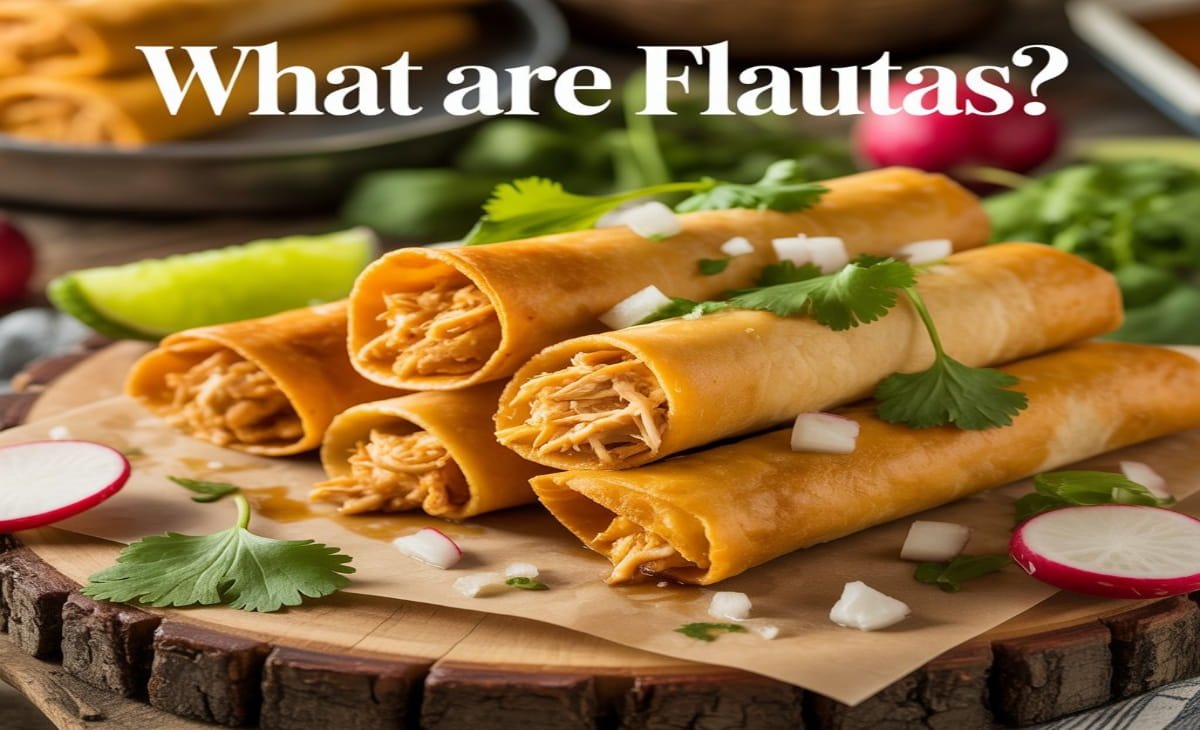
Flautas are a traditional Mexican dish made by filling tortillas with meat, vegetables, or other ingredients, rolling them into a long cylindrical shape, and frying them until crispy. The name comes from the Spanish word “flauta,” meaning flute, which describes the long, thin shape of the rolled tortilla.
The tortillas are typically filled with ingredients such as shredded chicken, beef, or potatoes before being fried in hot oil until golden and crunchy. After cooking, they are usually served with fresh toppings like lettuce, cheese, salsa, crema, and guacamole.
Although the dish is simple, the combination of crispy tortilla and flavorful filling creates a satisfying balance of textures and flavors that makes it a staple in Mexican cuisine.
Table of Contents
- Introduction
- What Are Flautas?
- History and Cultural Background
- How Flautas Are Made
- Popular Types of Flautas
- Why People Love Flautas
- Common Mistakes and Misconceptions
- Flautas vs Taquitos vs Other Similar Dishes
- Expert Tips for Better Flautas
- Frequently Asked Questions
- Conclusion
You can explore more information about it from Home Page
History and Cultural Background
The exact origin of this dish is not clearly documented, but it has long been part of Mexican culinary traditions. Rolled and fried tortillas have been prepared in various regions of Mexico for generations as part of the country’s famous antojitos, or small street-style snacks.
Different regions of Mexico prepare the dish slightly differently. In some areas, corn tortillas are used, while other regions prefer flour tortillas depending on local ingredients and agricultural traditions. Northern Mexico, where wheat is more common, often uses flour tortillas for these rolls.
Over time, the dish spread across the United States and other countries through Mexican restaurants and street vendors. Today it appears on menus ranging from traditional Mexican eateries to Tex-Mex restaurants, often served as a main meal or appetizer.
How Flautas Are Made
The cooking method is straightforward but requires attention to detail to achieve the perfect crisp texture. First, tortillas are warmed slightly so they become flexible and easier to roll without breaking. A small amount of filling is then placed along one side of the tortilla.
The tortilla is rolled tightly into a long tube shape. In many kitchens, toothpicks are used temporarily to keep the roll closed during cooking. Once prepared, the rolled tortillas are placed in hot oil and fried until the outside becomes golden and crunchy.
The frying process usually takes just a few minutes, and the result is a crisp shell that contrasts with the soft, savory filling inside. After frying, the rolls are drained and served with toppings such as lettuce, tomato, cheese, crema, or salsa.
Restaurants often plate them alongside rice, beans, or fresh guacamole, making them a complete and filling meal.
Popular Types of Flautas
Although the cooking method is consistent, the filling options vary widely across households and restaurants. Some of the most common variations include:
- Chicken flautas – shredded chicken seasoned with garlic, onion, or spices
- Beef flautas – slow-cooked shredded beef or barbacoa
- Potato flautas (flautas de papa) – mashed potatoes mixed with spices
- Cheese flautas – filled with melting cheeses like Oaxaca or mozzarella
- Bean flautas – refried beans used as a vegetarian option
These variations allow cooks to adapt the dish to different tastes, budgets, and dietary preferences.
Why People Love Flautas
The popularity of this dish comes from its simplicity, flexibility, and flavor. It can be prepared quickly and customized with many different ingredients.
Some reasons it remains a favorite include:
- Versatile meal – can be served as an appetizer, snack, or main dish
- Customizable fillings – meat, vegetarian, or vegan options
- Great for leftovers – shredded chicken or beef works perfectly
- Balanced texture – crispy outside with soft filling inside
- Easy to pair with toppings – salsa, guacamole, crema, or cheese
Because of these qualities, many restaurants include them on menus and families frequently prepare them at home.
Common Mistakes and Misconceptions
Many beginners assume the dish is difficult to prepare, but most issues come from small mistakes in technique.
One common mistake is overfilling the tortilla. Too much filling can cause the roll to open during frying or break apart. Using a moderate amount helps maintain the shape.
Another mistake is skipping the step of warming tortillas before rolling them. Cold tortillas are brittle and crack easily, which can ruin the final result.
People also frequently confuse this dish with taquitos or tacos dorados. While the preparation style is similar, differences exist in size, tortilla type, and presentation.
Flautas vs Taquitos vs Other Similar Dishes
Rolled tortilla dishes often look similar, which is why many people use the names interchangeably. However, culinary traditions generally recognize some differences.
Taquitos, for example, are usually smaller and are commonly made with corn tortillas, while the larger rolled version is often referred to as flautas.
Another difference is the size and shape. The larger rolled tortillas resemble a flute, which is how the name originated.
Enchiladas are another related dish but differ significantly in preparation. Instead of frying, enchiladas are usually covered in sauce and baked.
Tacos dorados are also similar but are often folded rather than rolled before frying.
Understanding these distinctions helps explain why menus sometimes list them separately even though they share similar ingredients.
Expert Tips for Better Flautas
Experienced cooks use a few simple techniques to improve the final result.
One important tip is maintaining the correct oil temperature. Oil that is too hot can burn the tortilla before the filling heats through, while oil that is too cool causes the tortillas to absorb excess oil and become greasy.
Another helpful technique is keeping fillings relatively dry. Excess moisture can soften the tortilla and prevent it from becoming crispy during frying.
Finally, serving them immediately after cooking makes a noticeable difference. The crisp texture is best when fresh, and the toppings add freshness that balances the richness of the fried tortilla.
Frequently Asked Questions
What does the word flauta mean?
The Spanish word “flauta” means flute, referring to the long, tube-like shape of the rolled tortilla.
Are flautas made with corn or flour tortillas?
Both are used depending on the region. Some traditions use flour tortillas while others use corn tortillas.
What fillings are most common?
Shredded chicken and beef are the most popular fillings, although potatoes, beans, and cheese are also widely used.
Are flautas spicy?
The rolls themselves are usually mild. The level of spice comes from the salsa or sauces served with them.
Can flautas be baked instead of fried?
Yes. Baking or air-frying is sometimes used as a healthier alternative, although traditional versions are deep-fried.
Are flautas served as a meal or snack?
They can be served either way. In many restaurants they are served as a full meal with rice and beans.
Conclusion
Flautas are a classic example of how simple ingredients can create an incredibly satisfying dish. With just tortillas, flavorful fillings, and hot oil, cooks can create a crunchy, savory meal that has become a staple of Mexican cuisine.
Their versatility allows endless variations, from chicken and beef to vegetarian fillings like potatoes or beans. Whether served as street food, a restaurant entrée, or a homemade dinner, they continue to be loved for their crispy texture and bold flavor.
Understanding how they are made and how they differ from similar dishes makes it easier to appreciate the culinary tradition behind them—and even try making them at home.