What Is Calamariere? Complete Beginner Guide to This Mediterranean Squid Dish
Seafood enthusiasts are increasingly curious about calamariere, a Mediterranean-inspired squid preparation that prioritizes freshness, balance, and technique over heavy breading or deep frying. While many people are familiar with fried calamari, this refined dish offers a lighter, more authentic coastal experience.
If you’re searching for what it is, how it’s made, how it differs from other squid dishes, and whether it’s worth trying at home, this guide answers everything in detail. You’ll learn its origin, cooking science, nutritional value, common mistakes, and expert-level insights that go beyond typical explanations.
Table of Contents
- What Is Calamariere?
- Mediterranean Origins and Culinary Context
- Core Ingredients and Flavor Profile
- How It Actually Works (Step-by-Step Cooking Process)
- Regional Styles and Modern Interpretations
- Health Benefits and Nutritional Breakdown
- Common Mistakes and Misconceptions
- Comparison With Other Squid Preparations
- Professional Chef Insights and Advanced Tips
- Storage, Sustainability, and Buying Guide
- FAQs
- Conclusion
What Is Calamariere?
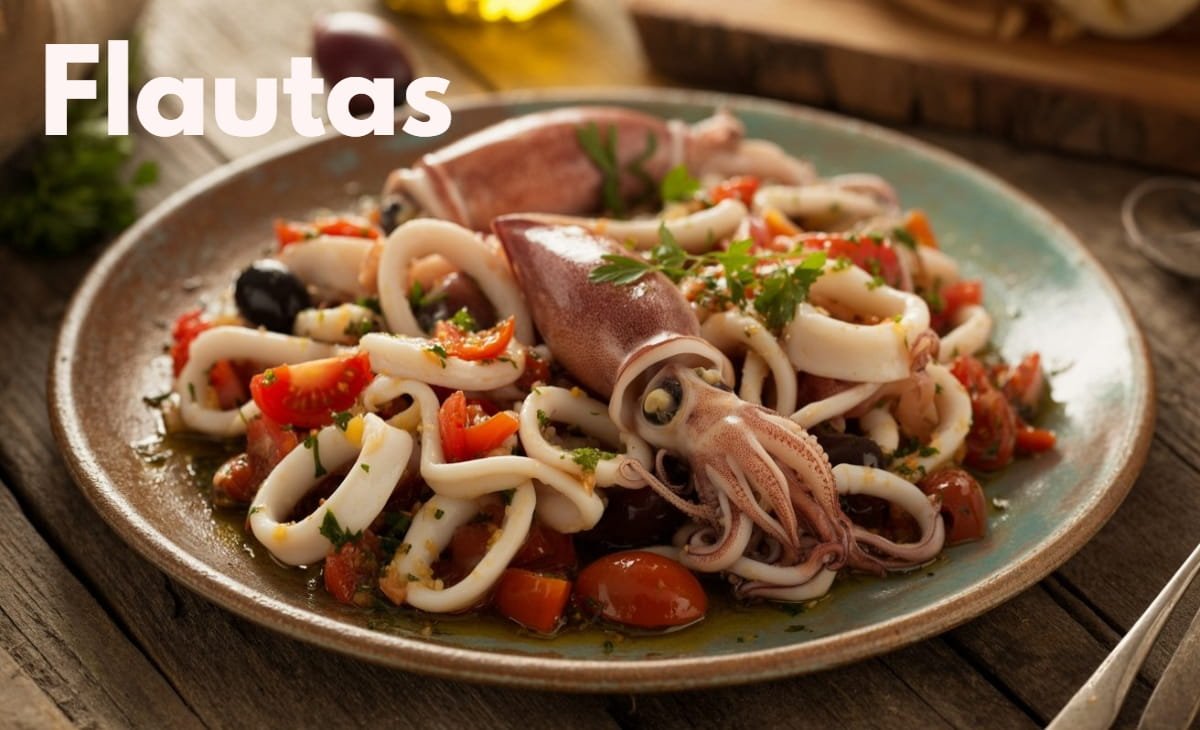
Calamariere is a Mediterranean-style squid dish prepared using fresh squid, olive oil, garlic, citrus, and herbs. The defining feature is minimalism—simple ingredients combined with precise cooking to preserve tenderness and natural flavor.
Unlike fried calamari, which focuses on crisp texture, this preparation highlights the delicate sweetness of squid. The cooking time is brief, the seasoning restrained, and the presentation elegant. It is commonly served as an appetizer or light main course in coastal regions.
People often search for this dish because they want a healthier seafood alternative, an authentic Mediterranean recipe, or a refined way to prepare squid without making it rubbery.
Mediterranean Origins and Culinary Context
The dish originates from regions surrounding the Mediterranean Sea, particularly culinary traditions in Italy, Greece, and Spain. In these coastal cultures, squid has long been a staple because it is abundant, affordable, and versatile.
Historically, fishermen prepared squid immediately after catching it using olive oil, lemon, and herbs available on board or at home. This quick, clean method prevented overcooking and maintained freshness. Over time, restaurants refined the technique, focusing on presentation and texture control.
While many modern articles describe it as simply “Mediterranean squid,” the cultural importance lies in technique rather than ingredients. The philosophy emphasizes respect for seafood—minimal intervention and maximum flavor clarity.
Core Ingredients and Flavor Profile
The foundation of this dish lies in quality ingredients. Fresh squid should smell clean like the ocean, feel firm to the touch, and appear glossy rather than dull or slimy. High-quality frozen squid can also work when properly thawed.
The supporting ingredients typically include olive oil, garlic, lemon juice, sea salt, black pepper, and fresh herbs such as parsley or oregano. Some regional versions incorporate a splash of white wine or a touch of paprika for subtle depth.
The flavor profile is mild, slightly sweet, and gently briny. Citrus brightens the palate, while olive oil provides richness without heaviness. Unlike heavily sauced seafood dishes, the seasoning complements rather than dominates.
How It Actually Works (Step-by-Step Cooking Process)
The preparation of calamariere depends more on timing than complexity. Cleaning the squid properly is the first step. This includes removing the internal organs, cartilage, and outer skin before rinsing thoroughly. Pre-cleaned squid is widely available, but checking for remaining cartilage improves texture.
After cleaning, the squid may be sliced into rings or left whole depending on presentation. Patting it dry is essential; excess moisture prevents proper searing.
Cooking must be done over medium-high to high heat. The squid is typically grilled or quickly sautéed for one to three minutes. This short cooking window keeps the proteins from tightening excessively. The moment it turns opaque and lightly firm, it should be removed from heat.
Resting the squid briefly before serving allows juices to redistribute. A final squeeze of lemon and a drizzle of quality olive oil complete the dish.
Regional Styles and Modern Interpretations
Different Mediterranean regions adapt the preparation slightly. Italian-style versions focus on olive oil, garlic, and parsley. Greek preparations often emphasize oregano and open-flame grilling. Spanish coastal kitchens may add smoked paprika or char for added depth.
Modern chefs have introduced lighter emulsions, citrus infusions, and herb oils to elevate presentation. However, even contemporary interpretations maintain the principle of simplicity. The goal remains consistent: highlight the squid’s natural character.
Health Benefits and Nutritional Breakdown
Squid is naturally high in protein and low in carbohydrates. It contains vitamin B12, selenium, iron, and omega-3 fatty acids, all of which contribute to energy metabolism and cardiovascular support.
Because calamariere avoids deep frying, it contains significantly fewer calories and less saturated fat than battered alternatives. This makes it suitable for Mediterranean diets, high-protein plans, and balanced nutrition approaches.
Additionally, squid provides taurine, an amino acid linked to cardiovascular function. This nutritional aspect is rarely discussed but adds to the dish’s health appeal when prepared with minimal oil.
Common Mistakes and Misconceptions
One of the most frequent errors is overcooking. Squid becomes rubbery when exposed to prolonged heat. The solution is either very quick cooking (under three minutes) or very slow braising—anything in between creates toughness.
Another misconception is that strong marinades improve flavor. In reality, acidic marinades left too long can break down texture. A brief 15–20 minute seasoning period is sufficient.
Some cooks also underestimate the importance of drying the squid before cooking. Moisture causes steaming instead of searing, which affects both flavor and texture.
Finally, many assume all squid tastes identical. Freshness, size, and origin significantly influence sweetness and tenderness.
Comparison With Other Squid Preparations
Calamariere differs clearly from fried calamari and stuffed squid dishes. Fried versions rely on batter and deep oil immersion, creating a crunchy texture but reducing nutritional value. Stuffed squid involves complex fillings and longer baking times, producing a heavier meal.
In contrast, this Mediterranean preparation focuses on speed and purity of flavor. It offers a balance between health, authenticity, and culinary sophistication.
Professional Chef Insights and Advanced Tips
Experienced chefs emphasize technique over seasoning. The pan or grill must be fully heated before adding squid. A crowded pan lowers temperature and causes steaming, so cooking in small batches improves results.
Resting the squid for one or two minutes after cooking enhances juiciness. Using high-quality extra virgin olive oil significantly affects aroma and mouthfeel.
Understanding protein content and its role in nutrition is critical, which aligns with practical insights on protein, wellness, and dietary planning in Delta Fitness Authority.
Pairing is equally important. Light salads, grilled vegetables, or rustic Mediterranean bread complement the dish without overwhelming it.
Storage, Sustainability, and Buying Guide
Fresh squid should be cooked within 24 hours of purchase. If storing, keep it refrigerated in an airtight container. Cooked portions can be refrigerated for up to two days but are best consumed immediately.
Freezing raw squid is effective for up to three months. Slow thawing in the refrigerator preserves texture better than room-temperature defrosting.
From a sustainability perspective, squid populations are generally resilient compared to some overfished species. However, sourcing from responsible fisheries ensures environmental balance. Checking seafood sustainability guides can help informed buyers make better choices.
FAQs
What does calamariere taste like?
It has a mild, slightly sweet seafood flavor enhanced by olive oil and citrus.
Is calamariere difficult to prepare?
No. The key challenge is timing, not complexity.
Why does squid become rubbery?
Overcooking causes muscle fibers to tighten excessively.
Can frozen squid be used successfully?
Yes, when thawed slowly and dried properly before cooking.
Is it healthier than fried calamari?
Yes. It contains less fat and fewer calories due to minimal oil use.
Can it be served as a main course?
Yes, especially when paired with vegetables or grains.
Conclusion
Calamariere represents the essence of Mediterranean seafood philosophy: fresh ingredients, restrained seasoning, and precise cooking. It stands apart from fried alternatives by offering a healthier, more authentic experience.
By understanding ingredient quality, mastering cooking time, and applying professional techniques, anyone can prepare this elegant squid dish successfully at home. Whether you’re exploring Mediterranean cuisine or refining your seafood skills, calamariere is a rewarding addition to your culinary repertoire.